

What to Expect From a High-End Truck Accessory Shop
Buying upgrades for a pickup involves more than choosing a part that looks good in a photo. A useful shop helps drivers sort through fit, installation requirements, durability, and everyday convenience before spending money. Someone hauling tools to job sites has different priorities from a driver preparing for weekend trails or family trips. Knowing what to ask makes it easier to choose accessories that serve the truck's actual purpose without adding unnecessary equipment.
Choosing Accessories That Match Your Driving Needs
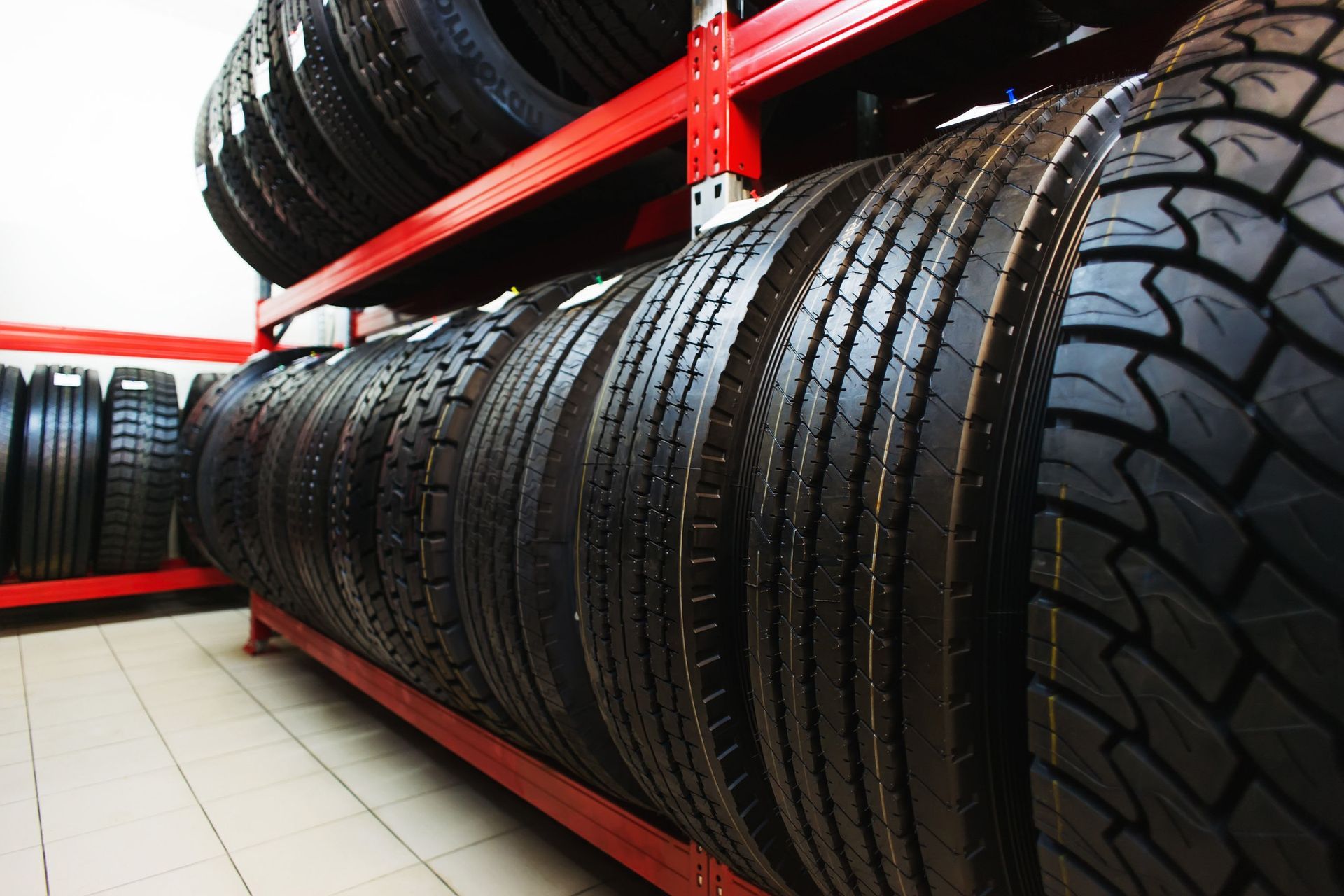
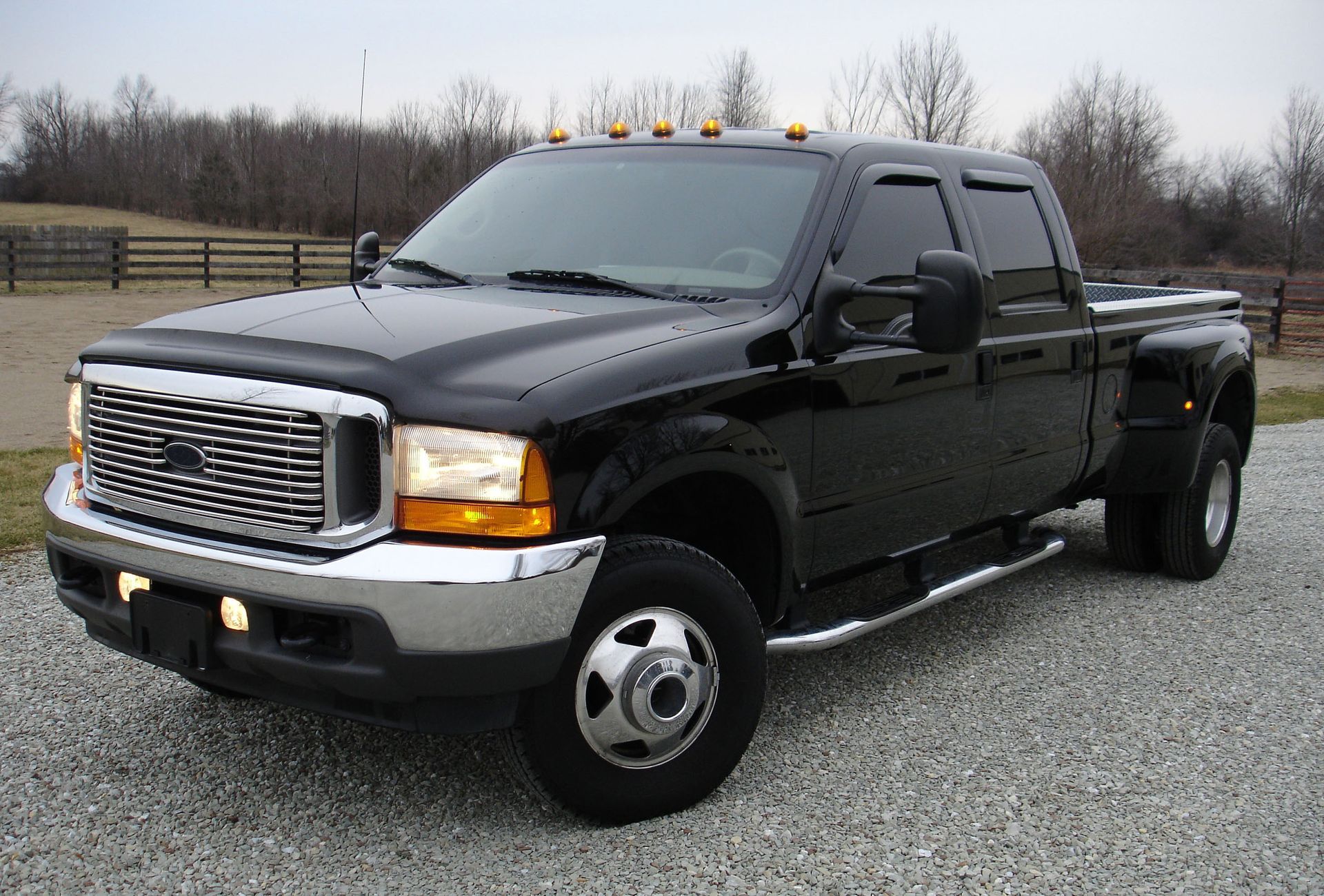
A well-stocked shop should make it possible to compare upgrades for work, recreation, and routine driving. Bed covers help shield cargo from view and some weather exposure, while toolboxes and drawer systems organize equipment. Steps can make cab entry easier, and appropriate racks can support the transport of ladders or other long materials. Drivers interested in off-road use may want to discuss bumpers, suspension changes, wheels, or tires.
Bed-related products are a substantial part of the industry. According to GlobeNewswire, a U.S. pickup accessory market report found that the bed accessories segment accounted for approximately 29% of the U.S. pickup truck accessories market in 2024. That figure reflects market share, not a recommendation that every owner needs the same upgrade. Before selecting a truck accessory, consider what you carry, how often you access the bed, and whether another product could interfere with the planned setup.
Getting Practical Recommendations From Knowledgeable Staff
A productive consultation starts with questions about how the vehicle is used. Staff should ask for its year, make, model, trim, and relevant measurements, such as bed length. Factory equipment also matters. A bed cover that fits one pickup configuration may not fit another, and aftermarket steps can interact with existing trim or mounting points.
Good advice includes trade-offs. A hard bed cover may offer a different balance of security, access, and convenience from a soft cover. A ladder rack might improve equipment transport but limit certain bed accessories. Changes to wheels, tires, or suspension deserve additional discussion because they can affect clearance, ride quality, and vehicle handling. Rather than treating every option as an upgrade, knowledgeable staff should explain which choices fit the owner's actual goals.
Ask about materials, finish care, load ratings, and manufacturer instructions. Comparing those details is more useful than relying on labels such as premium or heavy-duty. The right truck accessory is one that fits the vehicle and performs the intended job consistently.
Checking Installation Methods and Vehicle Compatibility
Installation quality matters as much as the product itself. Even a correctly selected component can create problems when brackets are positioned poorly, hardware is tightened incorrectly, or moving parts lack clearance. A shop should follow the manufacturer's directions and inspect the finished work for secure attachment and proper operation.
Some additions require more planning than others. A hitch must be compatible with the vehicle and the intended towing setup, and it does not increase the truck's manufacturer-rated towing capacity. Lighting modifications may involve electrical connections and applicable road-use rules. If a lift or larger tires are being considered, drivers should ask how the changes could affect alignment, braking, steering, and warranty coverage.
It also helps to ask what the installation appointment includes. Will the shop confirm fit before work begins? Are additional parts likely to be needed? Can the owner inspect the finished truck and learn how to operate or maintain the new equipment? These questions help set realistic expectations for any truck accessory installation.
Understanding Warranties, Returns, and Follow-Up Support
Product warranties and labor warranties cover different things. A manufacturer's warranty may address defects in a covered component, while a shop's labor warranty may address qualifying installation work. Neither should be assumed to cover accidental damage, improper use, or every maintenance issue. Ask for written terms, including exclusions, time limits, and the procedure for requesting service.
Return policies deserve equal attention. Some products can be returned unopened, while special orders, painted components, or installed parts may have different conditions. Before authorizing work, confirm whether a product can be exchanged if it does not meet expectations and whether removal or reinstallation would create additional charges.
For electronic products, ask whether diagnosing a malfunction is covered or billed separately. A claim may require the original receipt, photographs, or an inspection, and the party supplying replacement parts may differ from the installer. Understanding these details before a purchase can prevent confusion if repairs become necessary.
Keep the invoice, warranty documents, and installation instructions together. If a truck accessory later develops a problem, those records make it easier to identify the product and explain what happened. A clear point of contact for follow-up questions is more valuable than a broad promise that every issue will be resolved immediately.
Comparing Costs and Planning Upgrades in Stages
Higher prices do not automatically mean a product is better for every driver. Value depends on construction, fit, expected use, maintenance, and the support available after purchase. A weather-resistant toolbox might be worth prioritizing for someone who works outdoors daily, while occasional recreational use may call for a simpler storage solution.
Request an itemized quote that separates the product, installation labor, and any required supporting parts. Ask whether the estimate includes adjustments, electrical work, or other work needed for a particular truck. Financing and discounts, where offered, should be evaluated using their actual terms rather than treated as automatic savings.
Planning several changes at once can help avoid compatibility problems. For example, a driver considering a bed cover, ladder rack, and cargo organizer should confirm that the mounting systems can work together. When a budget requires choosing one truck accessory first, prioritize the item that solves the most immediate problem, then plan later additions around it.
Combining Online Research With In-Store Guidance
Online catalogs can narrow the choices before a visit. Product photographs, dimensions, and manufacturer descriptions help drivers identify styles they like and prepare questions. However, a listed fitment range does not always account for every factory package, previous modification, or accessory already installed. Confirm details with the shop before ordering.
Customer reviews can offer context, but detailed accounts are more useful than star ratings alone. Look for comments describing how a shop explained fitment, handled scheduling, or responded when something needed adjustment. These details help set expectations for service without assuming that every project will unfold identically.
An in-person conversation can clarify details that photographs miss, such as how a tonneau cover opens, how far a step extends, or whether a storage system leaves room for other cargo. Ask which models or finishes are available, whether the part must be ordered, and how installation scheduling works. Written estimates also make it easier to compare options without relying on memory.
A high-end shopping experience should feel informative rather than pressured. Customers should leave knowing why a particular
truck accessory was recommended, what it will and will not do, and what installation and upkeep involve.
Choosing a Shop That Supports Your Goals
The strongest buying experience combines suitable products, specific advice, careful installation, and straightforward policies. Drivers benefit when a shop explains limitations just as clearly as benefits, especially for changes that affect towing, handling, or daily access to the bed.
One Stop Truck & Trailer offers truck accessories, bed protection, off-road products, wheels, tires, and installation services in New Braunfels, Texas. Contact the shop to discuss your vehicle, compare available products, and request a quote for upgrades that match the way you use your truck.


Share On: