

Bumpers and Winches: Gear That Holds Up on the Trail
Off-roading presents drivers with unpredictable terrain, steep inclines, mud, rocks, and other obstacles that can challenge even well-equipped vehicles. Reliable equipment helps protect vehicles from damage while providing recovery options when conditions become difficult. Bumpers, winches, and other truck accessories can improve vehicle capability, making them valuable considerations for drivers who regularly explore demanding trails.
Understanding Off-Road Bumpers
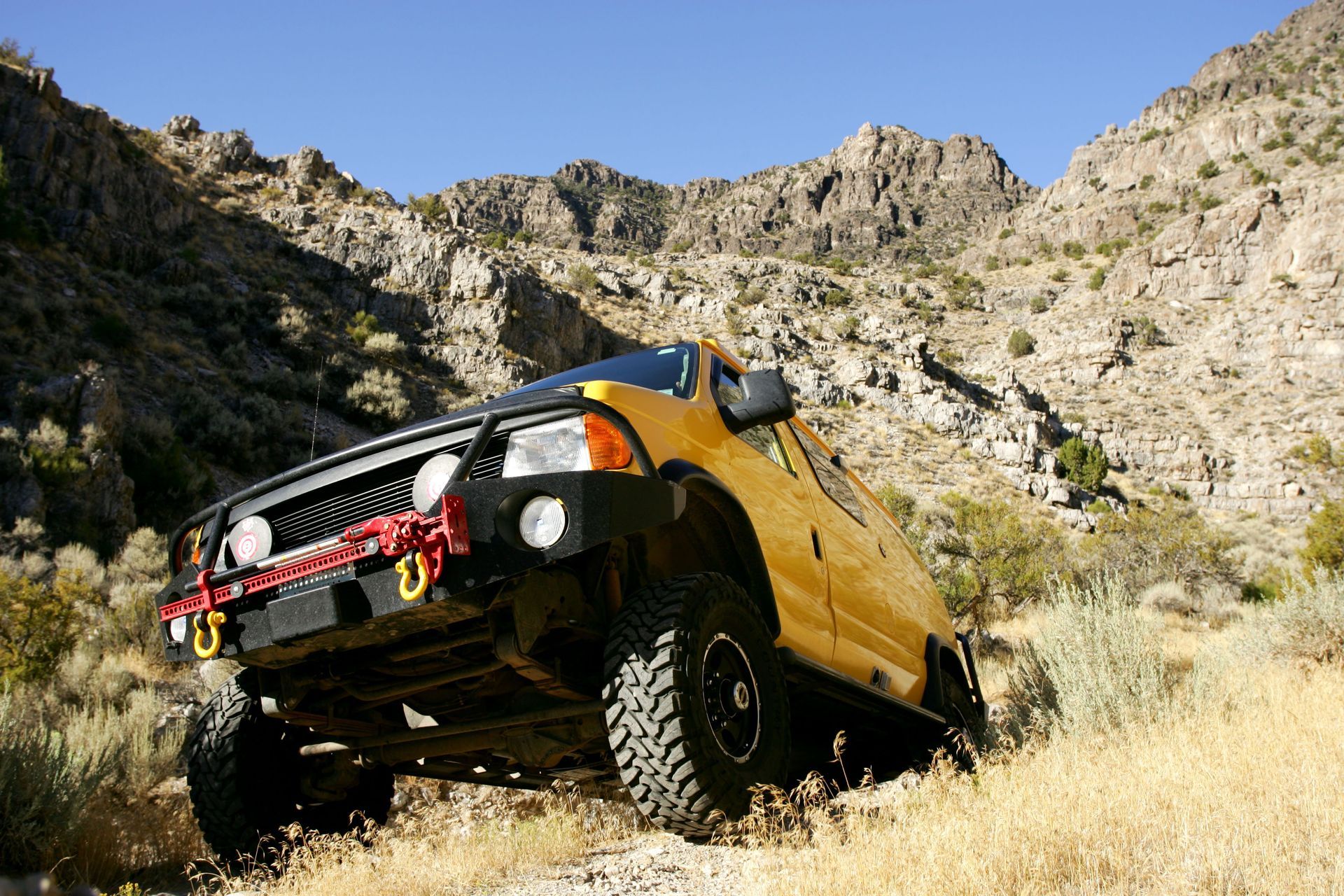
Off-road bumpers provide additional protection for a vehicle's front and rear ends while supporting equipment designed for challenging environments. Unlike many factory bumpers, aftermarket options may feature reinforced construction, recovery points, and mounting locations for winches and auxiliary lighting. Choosing the right bumper depends on vehicle specifications, typical terrain, and the level of protection required.
Full-width bumpers provide extensive coverage, making them suitable for drivers who prioritize protection against obstacles and debris. Mid-width designs balance coverage with maneuverability, while stubby bumpers offer improved clearance for navigating technical trails. These differences make it important to consider how a vehicle will be used before selecting from the available truck accessories.
Knowing Different Materials and Construction
Bumper materials affect weight, durability, corrosion resistance, and overall performance. Steel bumpers are known for their strength and ability to withstand demanding conditions, although their additional weight can affect handling and fuel consumption. Aluminum alternatives weigh less and resist corrosion, making them appealing to drivers who want added protection without as much extra weight.
Construction quality is equally important because bumpers must withstand vibration, impacts, and demanding recovery situations. Strong mounting systems, reliable welds, and protective finishes contribute to long-term durability. Professional product selection and installation help ensure that the bumper is compatible with the vehicle and suitable for its intended use.
Improving Functionality With Features
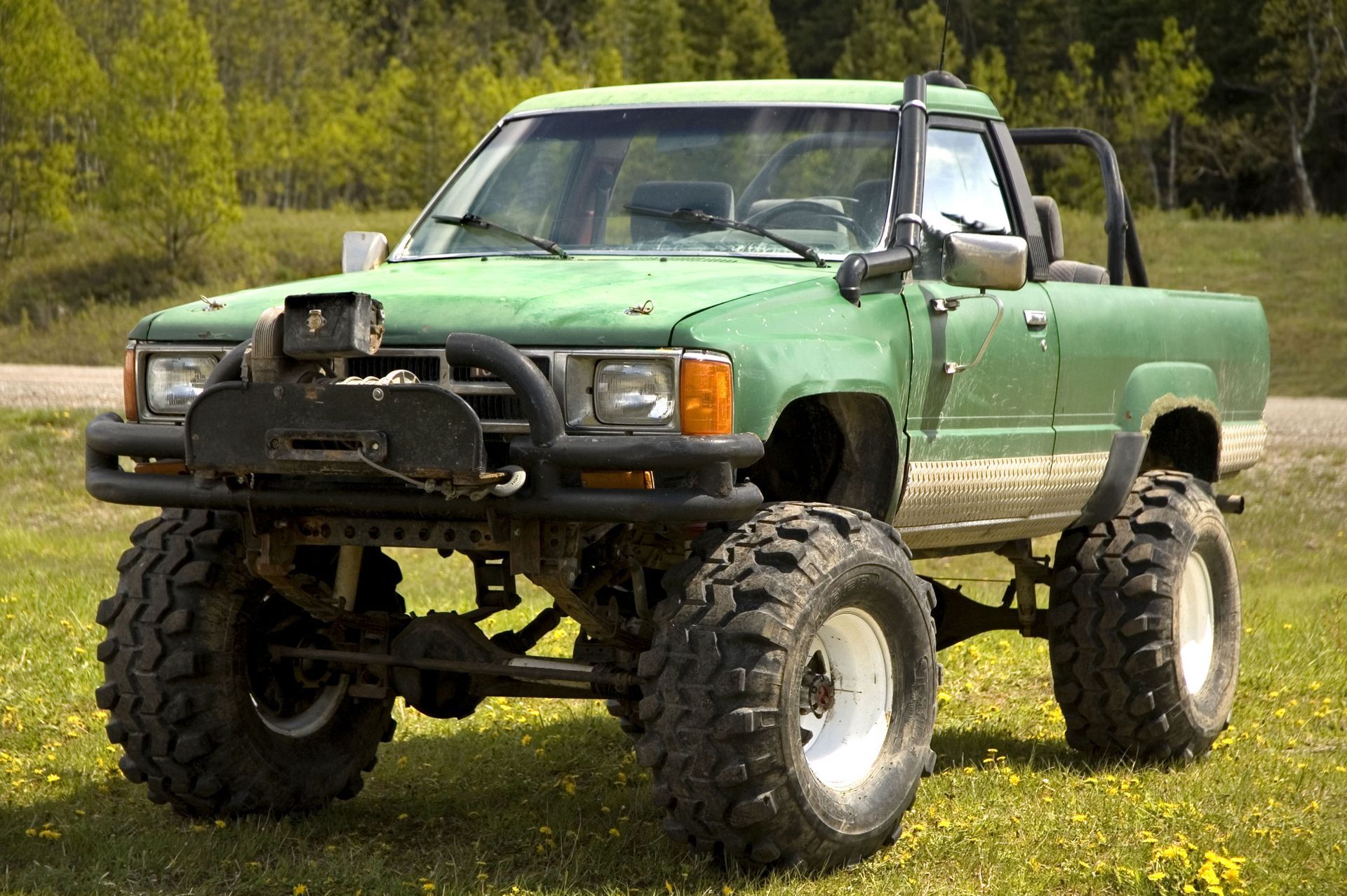
Many off-road bumpers include features designed to support recovery and protect important vehicle components. Winch mounts provide a location for recovery equipment, while rated recovery points accommodate compatible recovery systems. Some designs also incorporate grille guards, skid plates, and lighting mounts to provide additional functionality.
The best features depend on the driver's priorities and the conditions encountered most often. Drivers who frequently travel rocky trails may prioritize underbody protection and improved clearance, while those exploring remote areas may place greater importance on recovery equipment. Selecting compatible truck accessories can help create a vehicle configuration that balances protection, convenience, and performance.
Preparing for Off-Road Recovery
A winch provides pulling power that can help recover a vehicle stuck in mud, sand, or other difficult terrain. Most off-road winches use a motor to rotate a drum around which a cable or synthetic rope is wound. When appropriately rated and correctly operated, this equipment can provide valuable assistance when ordinary driving cannot free a vehicle.
Electric winches commonly draw power from a vehicle's electrical system and are popular because of their accessibility and convenient operation. Hydraulic winches use hydraulic power and may suit applications that require sustained operation. Manual winches offer an alternative for certain lighter-duty situations, although they generally require more physical effort.
Each option has advantages and limitations, so vehicle weight, expected recovery conditions, power requirements, and available mounting locations should guide the selection. A winch must have sufficient capacity for the intended recovery scenarios, including the additional resistance created by steep slopes or difficult ground conditions. Consulting qualified automotive professionals can help drivers identify compatible truck accessories without compromising vehicle safety.
Selecting the Right Winch
Winch capacity is one of the most important factors to consider when evaluating recovery equipment. A winch that is undersized for the vehicle or anticipated recovery conditions may be unable to perform reliably when needed. Buyers should review manufacturer ratings and seek professional guidance when determining the appropriate capacity for their vehicle.
Other considerations include rope material, line speed, braking systems, control options, and weather resistance. Steel cables offer durability but are heavier, while synthetic ropes are lighter and may be easier to handle when maintained according to manufacturer recommendations. Warranty coverage, product reputation, and compatibility with an existing bumper can also influence the purchasing decision.
Installing and Maintaining Accessories
Proper installation helps ensure that bumpers and winches remain securely attached under demanding conditions. Mounting hardware, electrical connections, and vehicle compatibility all affect equipment performance and reliability. Qualified installers can assess these requirements and help reduce the risk of problems caused by improper fitment.
Regular professional inspections can identify corrosion, damaged mounting points, worn cables, and other issues that may affect performance. Electrical systems should also be checked for loose connections or signs of deterioration, particularly when a vehicle regularly encounters water, mud, and debris. Maintaining equipment according to manufacturer recommendations helps preserve its service life and readiness for future trips.
Considering Off-Road Safety
Recovery equipment can generate substantial force, making proper use and attention to safety essential. Every bumper, winch, and recovery component has specific capacity limits that must be respected. Exceeding those limits can cause equipment failure, vehicle damage, or serious injury.
Drivers should use designated recovery points and compatible equipment rather than attaching recovery lines to components that are not designed to withstand pulling forces. Winch operators should remain clear of tensioned lines and follow the manufacturer's safety instructions throughout the recovery process. Suitable protective equipment and a clear understanding of the recovery plan can further reduce unnecessary risks.
Terrain awareness is equally important because loose soil, steep slopes, and unstable surfaces can increase the likelihood of getting stuck or losing vehicle control. Checking weather conditions, assessing trail difficulty, and traveling with appropriate communication and recovery equipment can help drivers prepare for unexpected challenges. Regularly reviewing the condition of truck accessories before demanding trips also supports safer and more dependable travel.
Choosing Quality Accessories for Long-Term Performance
Off-road equipment should be selected according to vehicle compatibility, expected use, and overall construction quality rather than appearance alone. Reputable manufacturers offer different designs and features to accommodate a variety of vehicles and driving conditions. Comparing specifications, warranties, and professional recommendations can help buyers identify products that meet their needs.
According to the Automotive Aftermarket Suppliers Association, 42% of vehicle owners purchase aftermarket auto products annually. This statistic highlights the role aftermarket equipment plays in vehicle ownership and customization. For off-road drivers, selecting dependable truck accessories can help improve functionality while supporting the demands of frequent trail use.
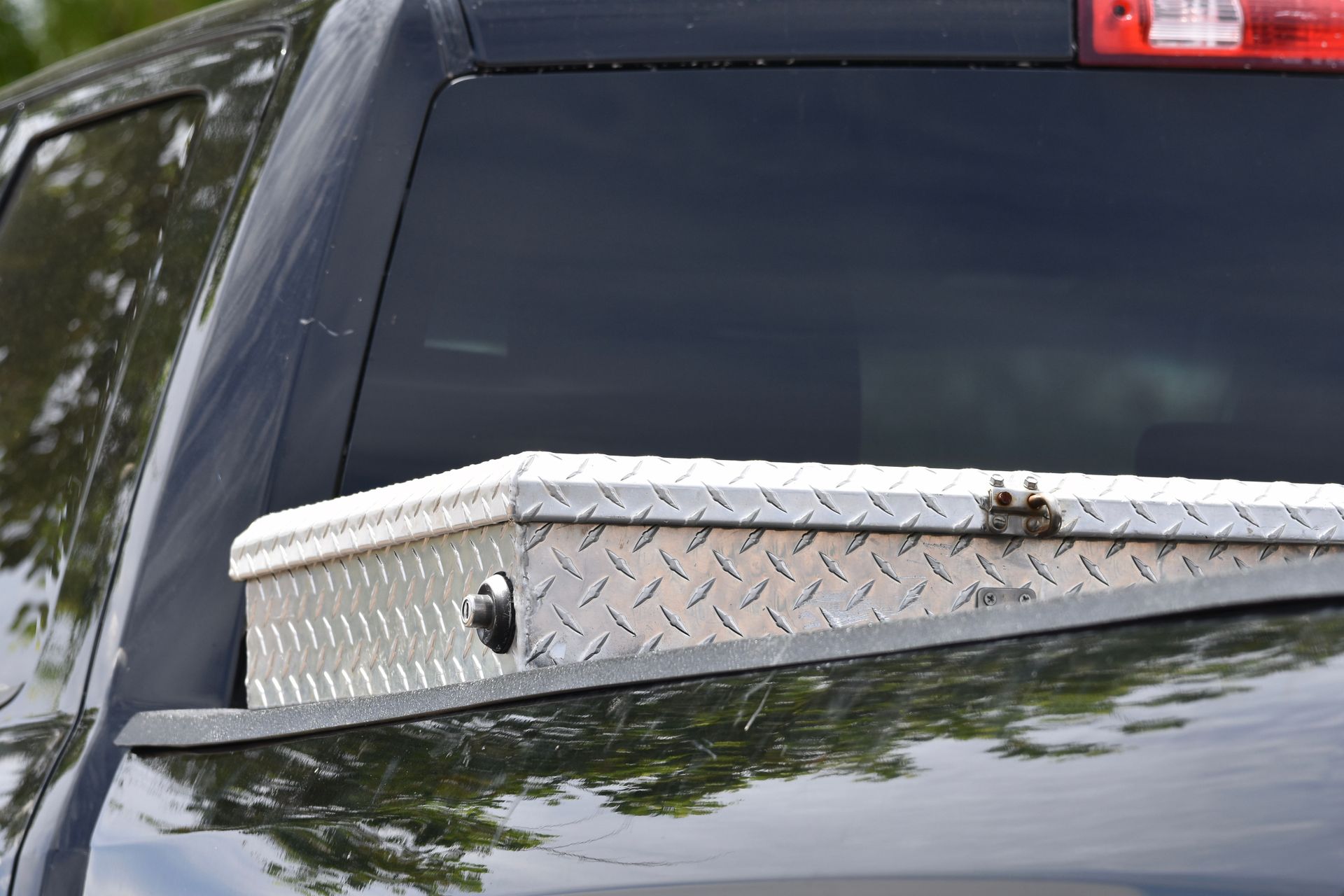
Beyond bumpers and winches, drivers may consider compatible lighting, protective equipment, recovery gear, and storage solutions. Each addition should serve a practical purpose and work appropriately with the vehicle's existing systems. A carefully selected combination of truck accessories can provide useful protection and recovery capabilities without adding unnecessary equipment or weight.
Preparing Your Vehicle for the Trail
Reliable off-road performance depends on more than engine power or tire selection. Protective bumpers, appropriately rated winches, and compatible recovery equipment can help drivers prepare for obstacles and unexpected situations. Evaluating product quality, installation requirements, and safety considerations before purchasing equipment can contribute to a more dependable vehicle setup.
Professional guidance is particularly valuable when choosing equipment that affects mounting strength, electrical systems, or vehicle weight. An experienced automotive accessories provider can help identify products that fit the vehicle and suit its intended use. With the right combination of protection and recovery equipment, drivers can approach demanding trails with greater confidence.
For drivers looking to upgrade their vehicles, One Stop Truck & Trailer can help identify truck accessories suited to their needs, from protective bumpers to dependable recovery equipment. Contact One Stop Truck & Trailer to discuss compatible options, compare available features, and find equipment designed to support your next off-road adventure.
Share On: