

Matching Suspension System Architecture to Real-World Terrain
Choosing the right suspension configuration requires a deep look into how vehicle mechanics respond to different landscapes. Standard factory suspensions are designed as compromise systems, intended to deliver smooth highway cruising while handling mild gravel roads or rainy commutes. However, venture onto rocky trails, deep mud tracks, or washboard desert trails, and those factory components reach their physical boundaries. Upgrading suspension geometry changes ground clearance, wheel articulation, and dampening control, converting an everyday truck or SUV into a capable off-road machine.
Evaluating Common Terrains and Their Structural Demands
Navigating Rock Crawling and Technical Boulder Fields
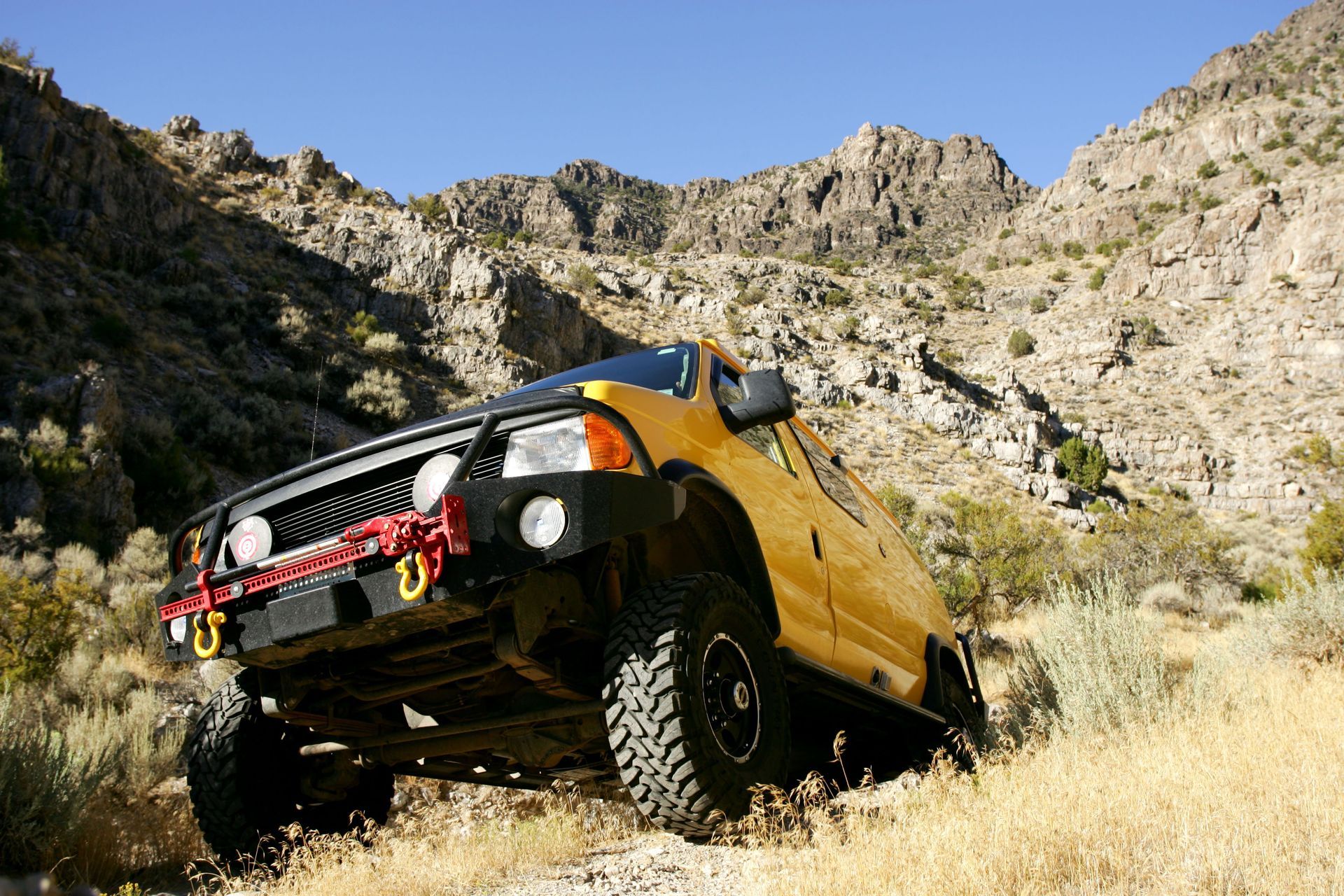
Technical rock crawling places extreme demands on vehicle suspension components. Overcoming jagged boulders, steep ledges, and uneven rock formations requires maximum wheel articulation to keep all four tires firmly in contact with the ground. When one tire climbs over a large rock, the opposing side must drop into the depression below to maintain traction. Solid axle configurations excel in these environments because as one side of the axle pushes up, it naturally applies downforce to the opposite wheel.
To navigate steep drop-offs without damaging fragile undersides, enthusiasts frequently install a lift kit to elevate critical components like the transfer case, oil pan, and differentials. Extended control arms, track bars, and sway bar disconnects allow axles to twist independently without binding.
Traversing High-Speed Desert Trails and Washboard Paths
High-speed desert running requires a different approach to suspension dynamics compared to slow-speed rock crawling. Desert terrain is defined by sudden dips, deep sand, and relentless washboard ripples. In these environments, wheel travel and thermal management are paramount. Independent front suspensions are popular for desert builds because they allow each front wheel to react independently to high-speed impacts without unsettling the entire vehicle frame.
Absorbing continuous impacts requires advanced shock absorbers with remote reservoirs that dissipate heat and prevent oil aeration. Raising the vehicle with a performance-focused lift kit increases total suspension travel, allowing remote-reservoir shocks to compress fully without harsh bottoming out. This setup ensures that high-speed impacts are damped smoothly, protecting the chassis while maintaining steering precision across loose sand and dirt.
Tackling Deep Mud and Silt Beds
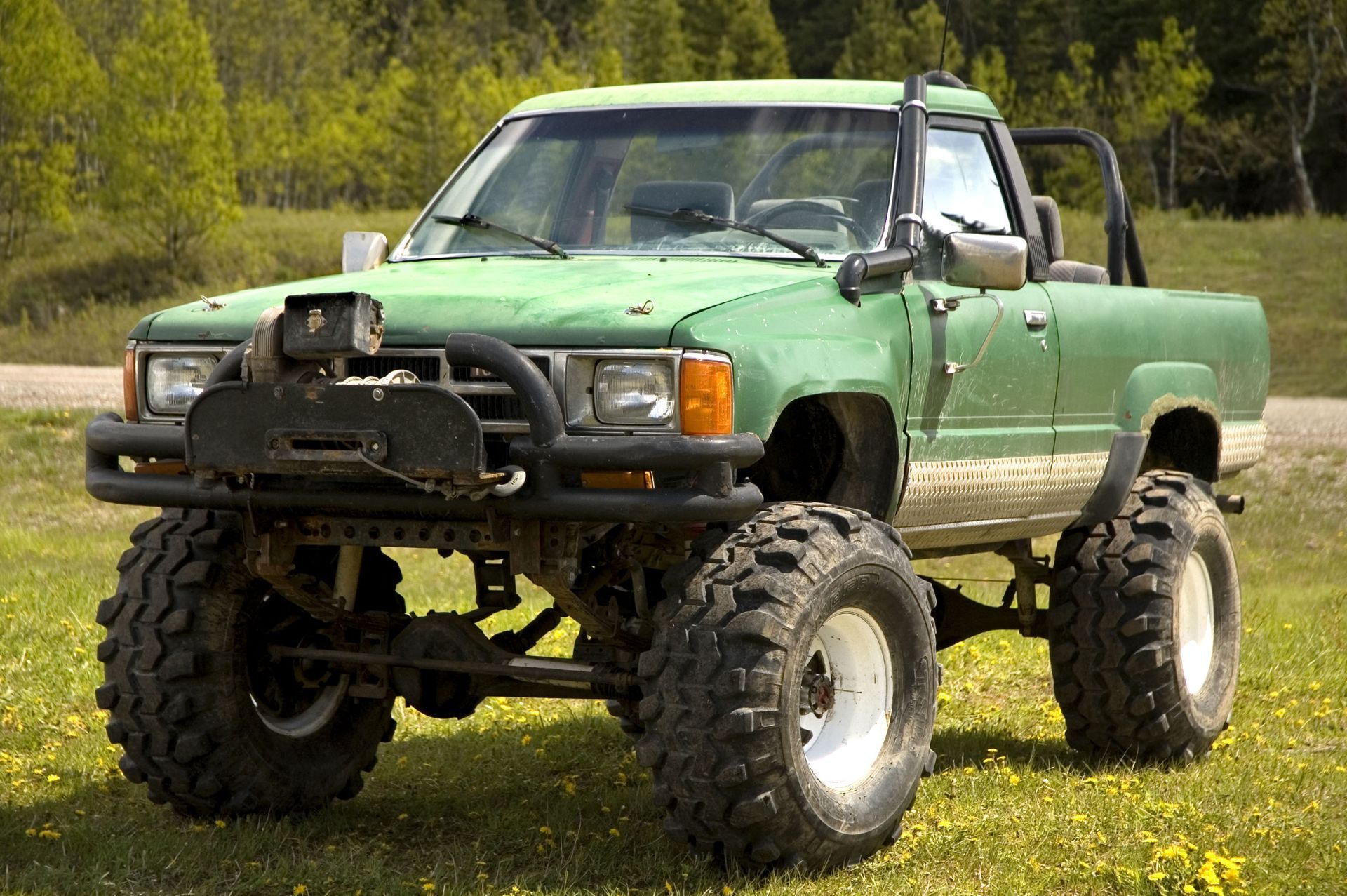
Slick mud and thick silt beds demand constant momentum and maximum ground clearance to avoid suction drag on the underbody. When a truck enters a deep mud rut, differential housings and frame rails act like plows if they sit too low. Dragging the underbody through dense mud rapidly robs momentum, causing the vehicle to lose traction and sink.
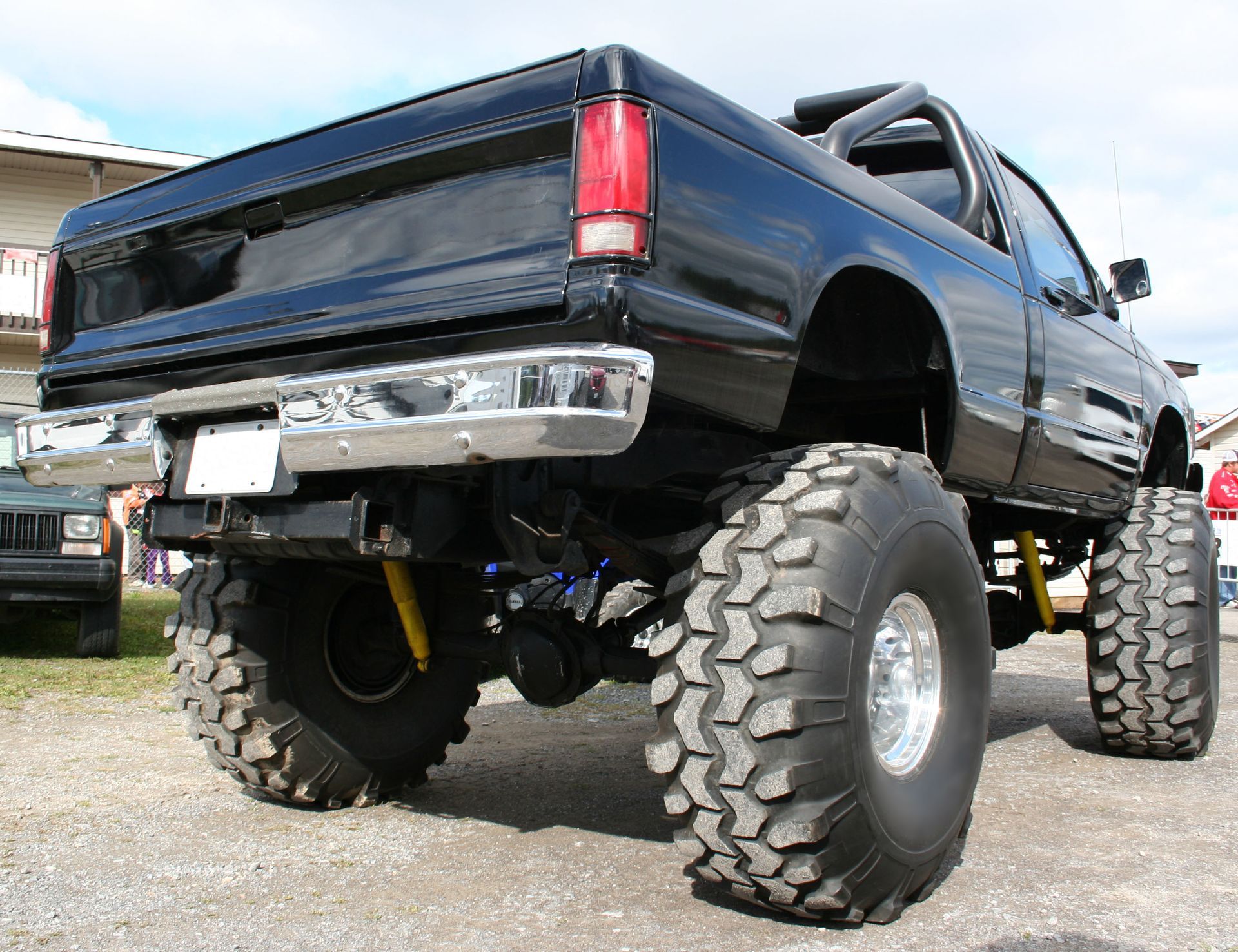
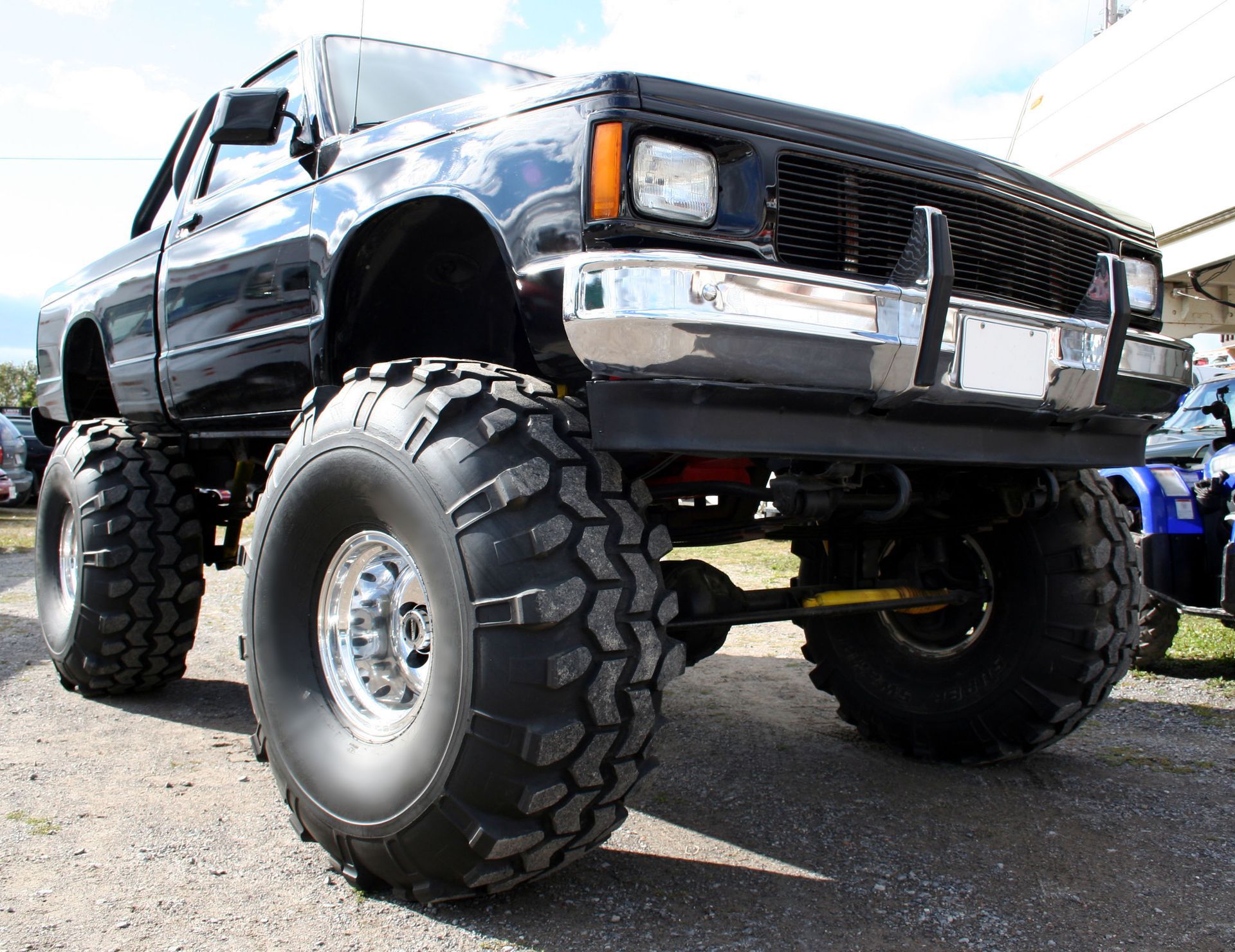
Installing a heavy-duty lift kit raises the entire frame high above the rutted track, creating space for aggressive mud-terrain wheels and tires that clean out sticky debris as they spin. Ground clearance is the primary defense against getting stuck in mud, as keeping skid plates and axles above the slurry ensures that engine torque converts directly into forward movement.
Managing Heavy Towing and Overland Payload Demands
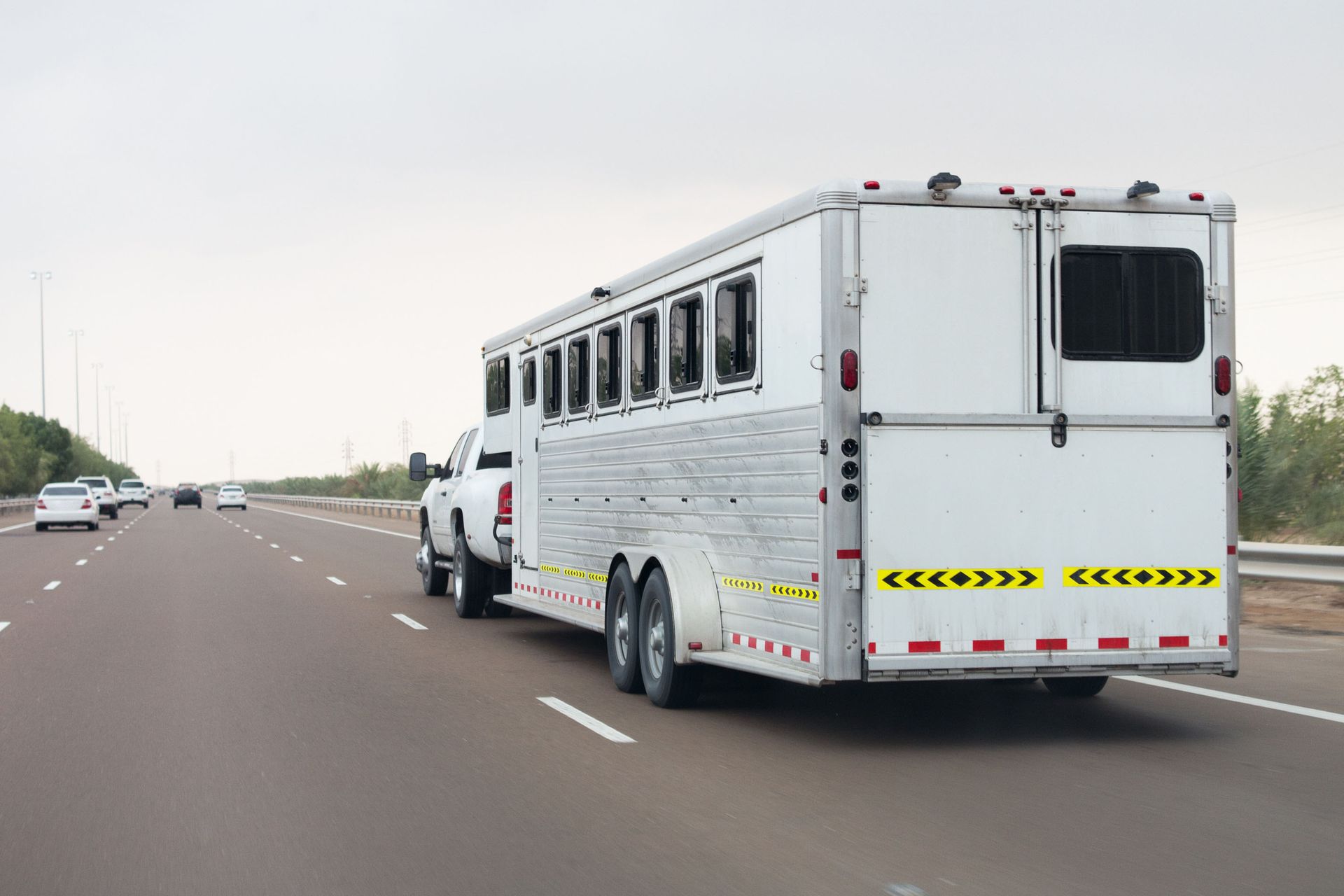
Overland travel combines off-road trail navigation with heavy payload management. Carrying gear, recovery tools, camping equipment, and towing products puts a continuous load on the rear suspension. Stock springs often sag under heavy loads, which ruins headlight alignment, reduces braking efficiency, and leads to severe rear bottoming out on mild trail dips.
Suspension systems designed for overlanding prioritize load capacity alongside articulation. Heavy-duty leaf packs or progressive-rate coil springs accommodate additional weight without sacrificing ride height. Integrating a tailored lift kit ensures the truck maintains a level stance even when loaded down with bed covers and bed protection equipment. Maintaining proper suspension geometry under load prevents axle wrap and keeps steering crisp during long highway stretches between trailheads.
Selecting Suspension Architectures for Specific Terrain Profiles
Comparing Solid Axle Systems and Independent Suspensions
Understanding structural differences between solid axle setups and independent suspensions helps drivers choose the right platform for their primary terrain. Solid axles offer rugged durability and superior articulation, making them preferred for heavy rock crawling and hard work environments. Their simple design accommodates large tires easily when combined with a robust lift kit, though they deliver a firmer ride on pavement.
Independent suspensions feature separate control arms for each wheel, offering precise steering response and excellent high-speed stability. While independent systems have more moving joints—such as CV axles and ball joints—they soak up small bumps and washboard roads far better than solid axles. Match your choice to your dominant terrain: choose solid axles for low-speed technical obstacles, or independent setups for desert speed and daily driving comfort.
Choosing Between Coil Springs and Leaf Spring Configurations
Spring design dictates how a vehicle supports weight and absorbs shocks. Leaf springs are built with stacked metal strips that flex under load, offering high strength and load-bearing reliability. They remain common on the rear axles of pickup trucks designed for heavy work, towing, and carrying bed supplies. However, leaf springs can produce a stiff unladen ride and offer less suspension flex on technical trails.
Coil springs provide a smoother spring rate and allow for significantly greater articulation. Modern off-road vehicles frequently utilize coil springs on both axles to maximize trail performance. When planning a suspension overhaul, drivers often choose progressive-rate coil springs paired with a performance
lift kit to achieve a comfortable highway ride while retaining stiffness off-road.
Matching Shock Dynamics to Terrain Challenges
Leveraging Remote Reservoir and Bypass Shock Technology
For intense desert environments, endurance overlanding, or severe rock crawling, remote reservoir shocks represent advanced dampening technology. By moving the gas chamber into an external canister, these shocks hold significantly more oil, drastically reducing operating temperatures during continuous cycling. The added oil volume eliminates shock fade, ensuring consistent performance over hours of rough driving.
Bypass shocks take control a step further by using internal or external passages to alter dampening stiffness based on where the shock is in its travel range. The shock remains soft near the top of its stroke for small bumps, but firms up dramatically near full compression to prevent hard bottom-out impacts over massive dips. According to Industry Today, lift kits are customized based on vehicle specifications, elevation height, and intended performance capabilities, offering setups from subtle two-inch raises to extreme eight-inch off-road configurations. Matching these advanced shocks with the proper height system creates a reliable setup for challenging terrain.
Enhancing Performance with Supporting Modifications
Integrating High-Clearance Bumpers and Body Armor
Suspension modifications work in tandem with outer body protection to maximize trail capability. Elevating a vehicle improves approach, breakover, and departure angles, allowing the chassis to clear steep obstacles. Upgrading to heavy-duty bumpers and grille guards shields the front end, radiator, and winch mounts from trail damage. These additions work alongside spray-in bed liners, steps, and underbody skid plates to protect vulnerable sheet metal when tackling tight mountain passes or rutted forest trails.
Selecting Proper Wheel and Tire Combinations
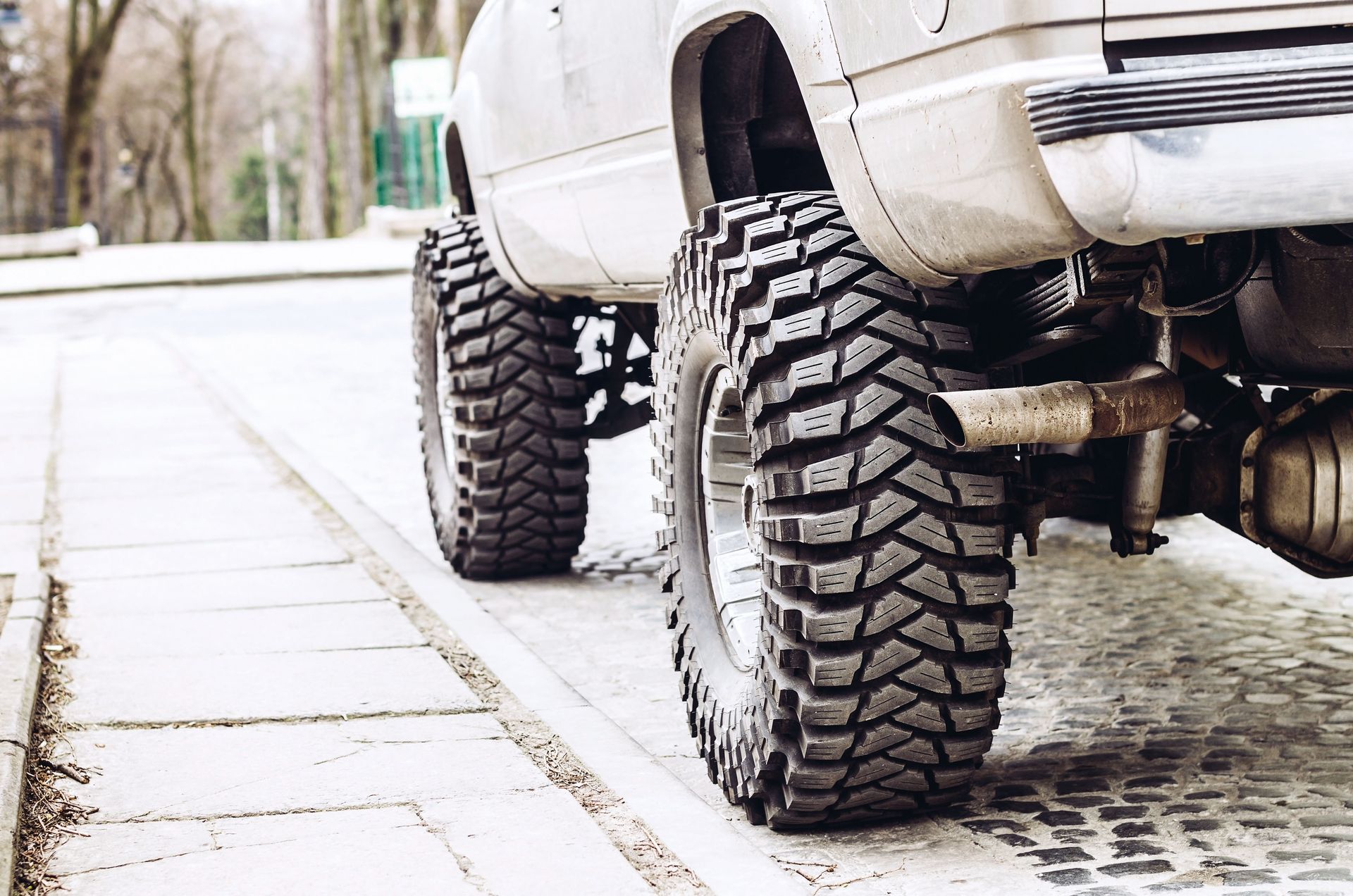
A suspension upgrade creates the physical clearance required to fit larger, more aggressive wheels and tires. Tires serve as the initial point of dampening for any vehicle, flexing over small rocks and providing necessary grip. Proper wheel backspacing and offset prevent wide tires from rubbing against frame rails or control arms during full articulation. When paired with protective accessories like tonneau covers to secure gear in the back, a balanced wheel, tire, and suspension system converts raw engine power into effortless trail progress.
Inspecting suspension bushings, ball joints, and shock seals regularly prevents unexpected trail breakdowns. Integrating protective bed covers and bed protection keeps dust and mud off cargo during long trips, while durable steps make entering an elevated cabin easy. By matching your vehicle's suspension architecture directly to the landscapes you explore, you create a balanced machine ready for any adventure. Connect with One Stop Truck & Trailer to explore customized vehicle builds, expert suspension setups, trailer repair, and premium towing products for your next off-road journey.
Share On: