


Cargo Trailer Size Guide: Which Fits Your Needs?
Shopping for a trailer sounds simple until you're standing in a lot full of options that all look about right. Length, width, height, and axle count change what a trailer can do. The wrong pick can leave you paying for space you'll never use, or wishing you had more room on every trip. That's why sizing deserves real thought before any money changes hands. Whether you're hauling tools to a job site, moving furniture across town, or packing gear for a weekend getaway, the right dimensions make every trip easier and safer.
Below, we'll walk through the most common sizes of cargo trailers, explain which suits best, and share a few tips for protecting your investment. Choosing well also saves you time, since a trailer that fits your lifestyle gets used more often and causes fewer headaches. By the end, you'll know which footprint matches your plans, your tow vehicle, and your budget, so you can shop with confidence instead of guesswork.
Matching Size to Your Daily Hauls
Before you look at a single model, think about what you'll actually carry most often. Make a quick list of your heaviest and bulkiest items, then picture them loaded together. Contractors usually need room for ladders, power equipment, and material stock, while landscapers care more about floor width for mowers.
Weekend travelers focus on how many bikes, coolers, or camping supplies need to fit. Interior height matters as much as length, since a taller cabin lets you stack goods and move around inside. It's also smart to think a few years ahead. If your workload or hobbies are likely to grow, a little extra length now can spare you from replacing the whole trailer later.
Next, consider what your truck or SUV can safely tow. Check your vehicle's towing capacity and tongue weight rating, and remember that the trailer's empty weight counts against that limit. Plenty of buyers skip this step and end up with a trailer that's too heavy for their ride. Planning around both your cargo and your tow vehicle keeps you from overspending and helps you avoid dangerous surprises on the highway.
Choosing Compact Models for Light Loads
Smaller cargo trailers, usually around five by eight or six by ten feet, are the go-to option for people who value simplicity. They're easy to maneuver, simple to park in a driveway or tight garage, and light enough for many half-ton pickups, SUVs, and even some vans. A five-by-eight unit handles a motorcycle, a few pieces of furniture, or a modest set of hand tools without any trouble. Step up to a six-by-ten, and you'll gain room for a small side-by-side or a full load of moving boxes.
Compact trailers also tend to cost less up front and use less fuel while you tow. Storage is another perk. Many owners tuck them beside the house or inside a garage, and the lighter weight makes hooking up alone much easier. The trade off is limited height and floor space, so they can feel cramped if your needs grow. If you only haul occasionally and want easy handling, this size range is hard to beat. If you suspect your projects will expand, though, it may be smarter to go a little bigger from the start.
Stepping Up to Mid-Size Space
For many owners, the sweet spot sits in the seven by fourteen to eight and a half by sixteen range. These cargo trailers offer enough room for a serious work setup, including shelving, tool chests, and a couple of ATVs, without becoming a nightmare to park or back up. Tandem axles are common at this size, and they spread the weight across four tires for better stability and a smoother ride.
Mid-size models appeal to small business owners, racing hobbyists, and families who haul gear for sports or camping. Many include a rear ramp door, side entry door, and interior lighting, which make loading and unloading much easier. Security features deserve a look, too.
Sturdy door locks, hitch locks, and solid tie-down points protect the tools and equipment you've worked hard to buy, especially overnight at a job site. Because they weigh more than compact units, you'll want a properly matched hitch, a solid ball mount, and a tow vehicle that's rated for the job. Quality towing products make a noticeable difference in how confident and controlled the trailer feels behind you.
Moving Into Large-Scale Capacity
When your loads get heavy, or your business keeps growing, larger cargo trailers in the eight and a half by twenty to eight and a half by twenty-four range deliver the capacity you need. These units can carry several vehicles, bulky equipment, or full inventories, and they often come with heavier-duty frames, upgraded axles, and electric brakes. Extra interior height can also allow for workspace, storage racks, or even a mobile shop setup.
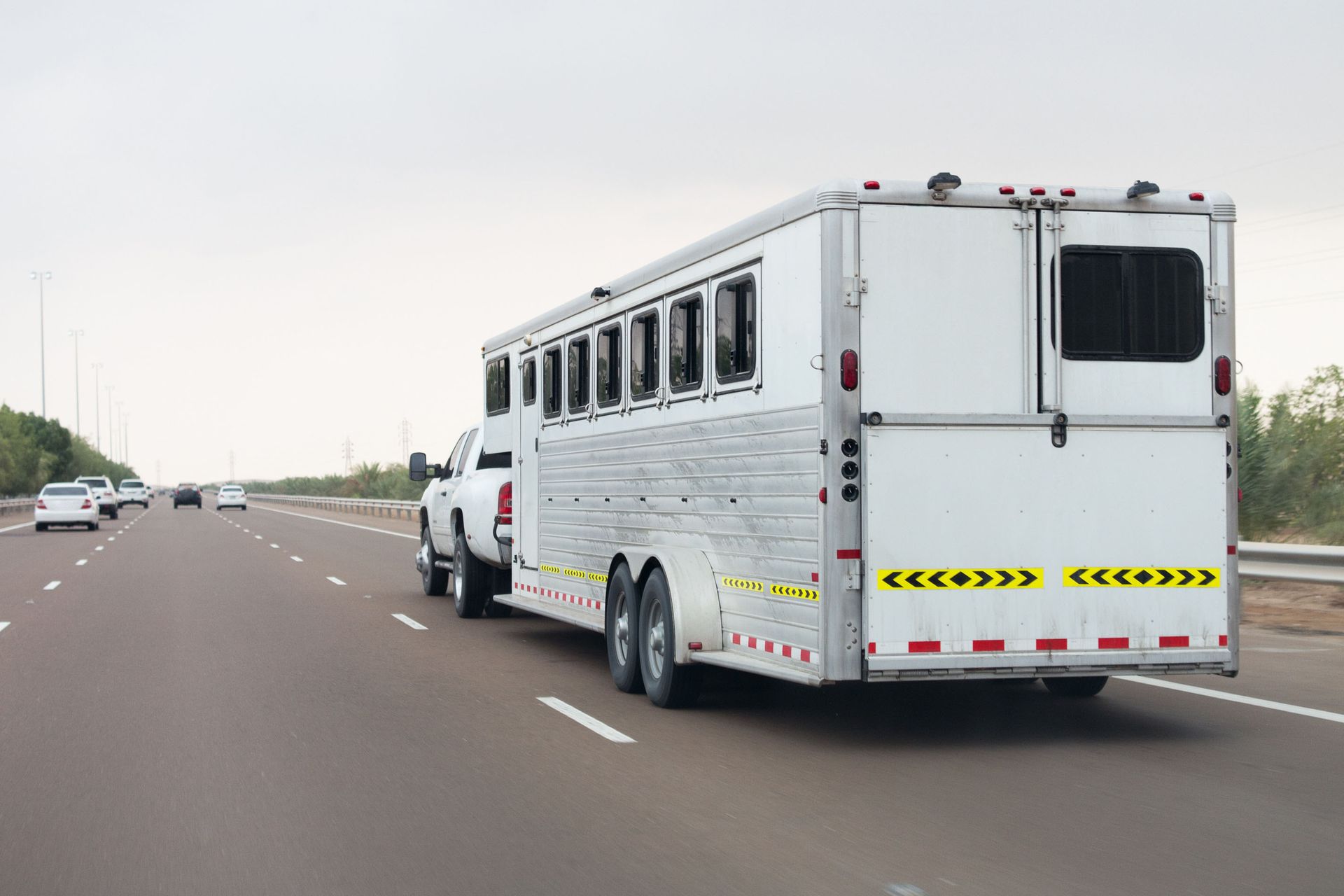
Of course, bigger trailers ask more of your truck. You'll typically need a three-quarter-ton or one-ton pickup, a weight-distribution hitch, and a good understanding of how to handle long loads on the road. Turning radius, braking distance, and parking all take more planning. Insurance and registration can change with size and weight rating, so confirm those details first.
Measure your parking area as well, since a trailer that won't fit at home creates daily frustration. If you're in a trade where downtime costs money, though, the added capacity usually pays for itself quickly. Think of large cargo trailers as rolling infrastructure for serious work.
Planning for Upkeep
Whatever size you choose, ongoing maintenance protects both your cargo and your wallet. According to the U.S. Department of Transportation, trailer repairs make up about 12% of all light-duty vehicle maintenance work every year, which tells you how often these units need attention. Tires, wheel bearings, brakes, lights, and floorboards all wear down with regular use, and larger trailers simply have more parts to inspect.
A simple routine goes a long way. Check tire pressure before every trip, look over your lights and safety chains, and listen for unusual noises from the axles. Keeping simple records helps, too. Jot down service dates, tire replacements, and brake work, and you'll spot patterns early and know exactly when the next inspection is due.
Catching small problems early is almost always cheaper than fixing a failure on the highway. It also helps to have a local shop you trust for diagnostics, replacement parts, and repairs, so you're never left guessing when something feels off. Treat upkeep as part of the purchase, and your trailer will serve you reliably for many years.
Wrapping Up Your Search
Choosing between cargo trailers really comes down to honest answers about what you haul, how often you haul it, and what your tow vehicle can handle. Compact models reward simplicity and low cost, mid-size units balance room with maneuverability, and large builds deliver the muscle that working professionals rely on.
If you land between two sizes, it's usually wiser to lean slightly larger, since it's far easier to grow into extra space than to outgrow a trailer that's too small. Remember that the best trailer isn't necessarily the biggest or cheapest one on the lot. It's the one that matches your real needs and keeps working without constant surprises.
Pair your choice with the right hitch and a smart maintenance routine, and you'll get safer, smoother trips for years to come. Ready to find your match in New Braunfels? Call or request a free, same-day quote today, and let the team at One Stop Truck & Trailer help you pick the perfect fit.

Share On: